Persiau Geert
Persiau Geert - Technician (proteomics service)
Joined the group in 1995
Joined the group in 1995
As climate change drives more frequent and intense heat waves, plants face growing challenges to survive and remain productive. Researchers at VIB, Ghent University, KU Leuven, and their international collaborators have now uncovered an evolutionary innovation that helps plants cope with high temperatures. Published in Nature Plants, the study uncovers a molecular mechanism that helps plants stay cool under heat stress and could help researchers identify new ways to strengthen crop resilience.
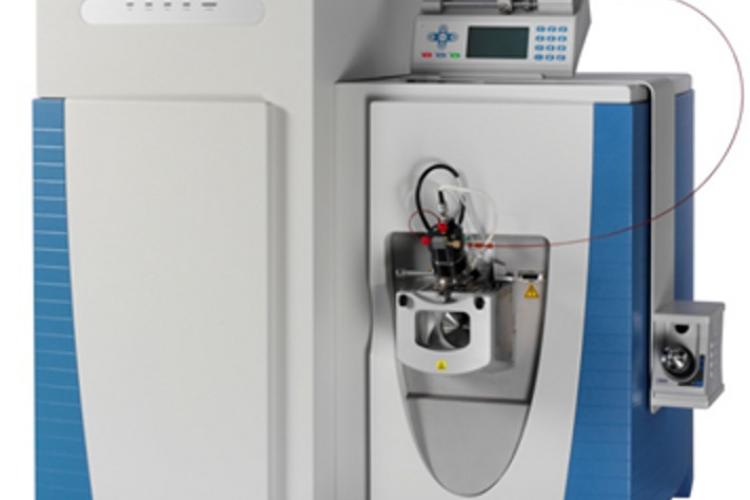
We offer the plant research community and companies access to our latest phosphoproteomics approaches.
Experiments are performed under Research Service Agreement, following well-established protocols for all (plant) species of interest.
More details and conditions are provided after consulting us with [email protected].
Researchers at VIB-UGent have unraveled how the opening and closing of stomata - tiny pores on leaves – is regulated in response to high temperatures and drought.

Stomatal opening under high temperatures is controlled by the OST1-regulated TOT3-AHA1 module.
Xu X, Liu H, Praat M, Pizzio GA, Jiang Z, Driever SM, Wang R, Van De Cotte B, Villers SLY, Gevaert K, Leonhardt N, Nelissen H, Kinoshita T, Vanneste S, Rodriguez PL, van Zanten M, Vu LD, De Smet I.
Nat Plants. 2024 Nov 29. doi: 10.1038/s41477-024-01859-w. Online ahead of print.
#ArtGenetics
Our fruits, vegetables, and cereal crops stem from a wild ancestor and have undergone major changes through millennia of domestication and selection. There are various ways to reveal plant diversity over time, and one of these is through the combination of art history and genetics (also known as #ArtGenetics).
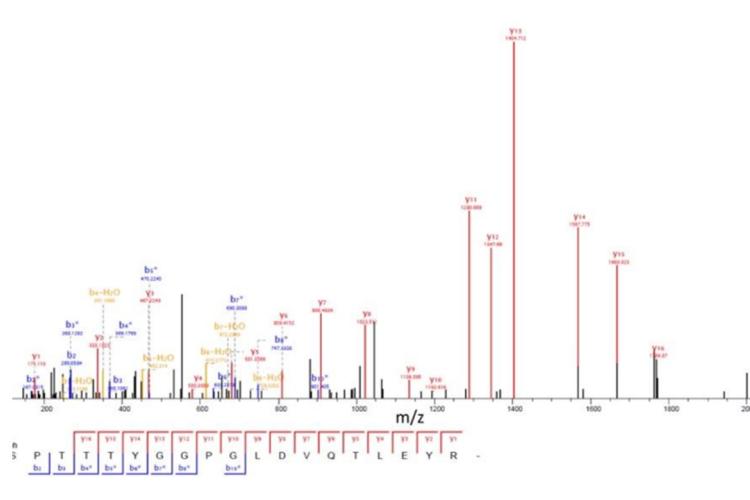
Protein phosphorylation is one of the most important mechanisms controlling cellular signaling. We use state-of-the-art phosphoproteomics to identify dynamic phosphorylation events and reconstruct signaling networks that regulate plant growth and environmental responses. This approach allows us to move from phenotype to mechanism at systems scale.
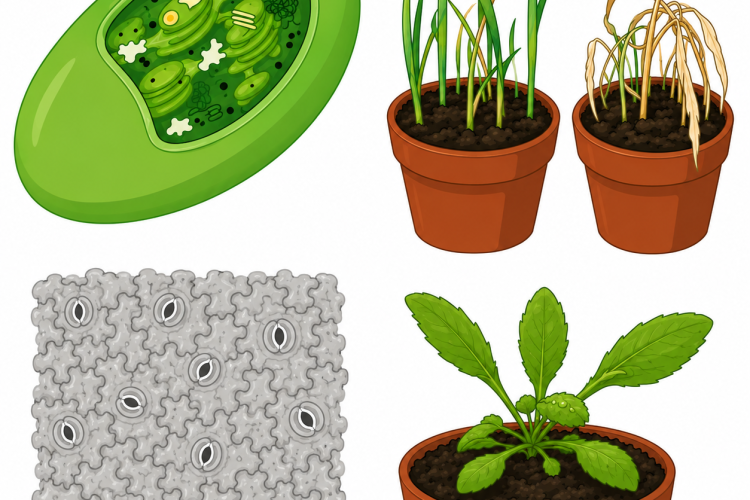
Almost every organism is exposed to variation in temperature, on a daily and on a seasonal basis. This is especially true for plants that, as sessile organisms, need to continuously alter their growth, development, and physiology in response to temperature variation. To sense and respond to temperature changes, several molecular sensors and downstream signalling and response networks have evolved.
New tools, including a deep learning model, predict the functionality of proteins, even in non-model organisms